This is the first post on my new blog. I’m just getting this new blog going, so stay tuned for more. Subscribe below to get notified when I post new updates. And please leave a comment or you can send an email or you can message me. andikaadfiyan24@gmail.com / +6282185965726
Signature Food from Palembang
Hello Everyone, i think i already tell you about the village food from palembang. And now i want to tell you about the most Popular food in palembang except Pempek/Fishcake ( It’s Well known sooo just skip it )
Alright, this is the first food
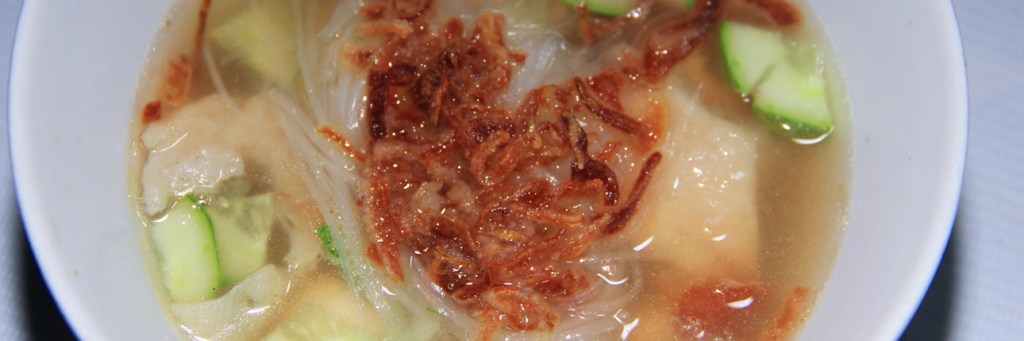
Model, hearing her name, maybe people outside South Sumatra did not think that the name was the name of one of Palembang’s culinary specialties. Just like most Palembang specialties, such as Tekwan, for example, the model is also made from the main ingredients in the form of mackerel fish. In fact, in general, tekwan and models are made from the same materials, it’s just different in the processing process.
One culinary shop owner in the Musi River revealed that the materials used in making the model included mackerel fish, sago flour, eggs, and Chinese tofu. How to make it is not too difficult, at first clean the mackerel fish from thorns and scales, then stir the flavor while adding other ingredients in the form of eggs, salt, and enter little by little ice water while continuing to stir until it reaches a certain thickness.
After the model mixture is finished, shape the dough to make it possible to place Chinese tofu pieces on top. The dough that has been formed is then fried. To produce perfect results, the fire used for frying is set not to be too large. Similar to Tekwan’s culinary, the model is enjoyed along with shrimp sauce.
The model sauce is made using ingredients such as shrimp, onion and white, celery leaves, savory leaves, ear mushrooms, pepper. In making a model broth, the first thing to do is to separate the shrimp head from the body. Shrimp head does not need to be thrown away, but boiled in water to be made into soup. While the body of shrimp is sauteed together with other seasonings. The stir-fry is then put into the shrimp head’s cooking water. In order for the sauce flavor to permeate, the fried model is then inserted into the finished product.
The Palembang model is usually served with vermicelli noodles and cucumber slices. You can add chili or sauce, for those who enjoy the sensation of spicy taste. In Palembang, model sellers also usually sell tekwan, this is because the ingredients are the same, only there is a slight difference in the way they are processed. One portion of the usual model is sold at Rp 10,000, a relatively affordable price to enjoy this delicious culinary from Palembang, let alone enjoyed while looking at the historic Ampera Bridge.
And the second is
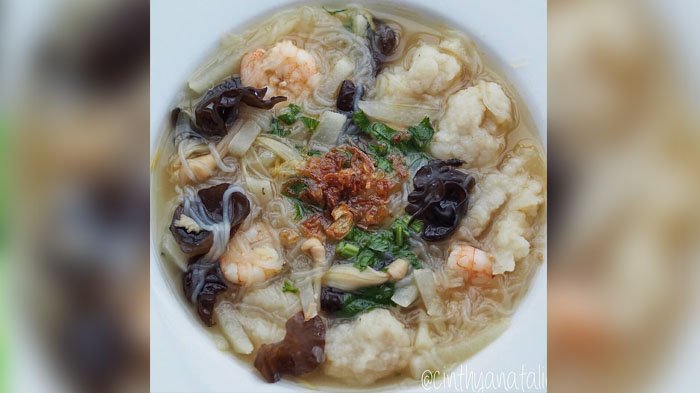
Enjoying traditional food from various regions in Indonesia makes us recognize its culinary characteristics. From Palembang for example, so far we know pempek dishes made from fish with spicy sauce. In addition, there are tekwan and models who are also the culinary favorites of this region.
In Bandung, there are places to eat where you can enjoy a variety of dishes typical of Palembang in one place. The name is Pempek Flamboyant, located in Tubagus Ismail, Bandung. Although carrying the name pempek, this shop also serves a variety of authentic Palembang dishes, such as models and tekwan.
Models and tekwan are food that is usually enjoyed as a friend of rice or eaten directly. The mixture in tekwan consists of processed fish, ear mushrooms, vermicelli, cucumbers, and shrimp sauce. The dough for the model and tekwan is made from mackerel or cork fish.
The method of making model and takwan stuffing, according to Lies, is almost the same as processing pempek. Only, the composition of fish in the model and tekwan more. In making the model, the fish mixture is mixed with tofu then fried before it is mixed with gravy. Where the fish in the tekwan mixture is not mixed with tofu and not fried. The way to make tekwan is boiled, similar to making meatballs.
When served in a bowl, the broth tastes sweeter because of the combination of shrimp and yam in it. The tekwan sauce is more spicy. According to Lies, the model is usually consumed at night, while tekwan is more enjoyable to eat during the day. For each portion of the model and tekwan priced at Rp 15 thousand in Palembang
This is the last food, actually there’s more but i think this is the only food i tell you 🙂
so this is the food
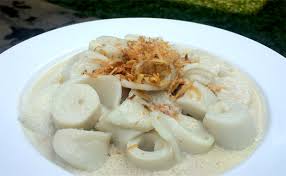
Burgo is one of Palembang’s dishes with coconut milk sauce. Made from rice flour, the dish is served with a savory thick broth.
Palembang has been known for its pempek. Even though there are other processed foods that are not less tasty. Like chewy Burgo.
At first glance it looks like kwetiaw. Made using rice flour and sago flour mixture. Then cooked like a thin omelette. Furthermore, coiled and roughly sliced.
Burgo is eaten with savory thick broth. Blended from coconut milk and various seasonings. Including coriander, galangal, kencur, turmeric, hazelnut and garlic.
Finely quipped fish meat complements the dish. Add a savory taste and the aroma of fine food.
Can be equipped with sambal and lime juice. Eating warm certainly tastes better. Also suitable for breakfast.
Thank You for read this Blog 🙂
Admin Contact
Phone Number : +6282185965726/+6283119006765
IG : andikaadfiyan14
Email : andikaadfiyan47@gmail.com
Village Food in Palembang
Hello everyone and welcome to my blog. And Let me Introduce you to our village food in Palembang.
The First one is called “Tempoyak”
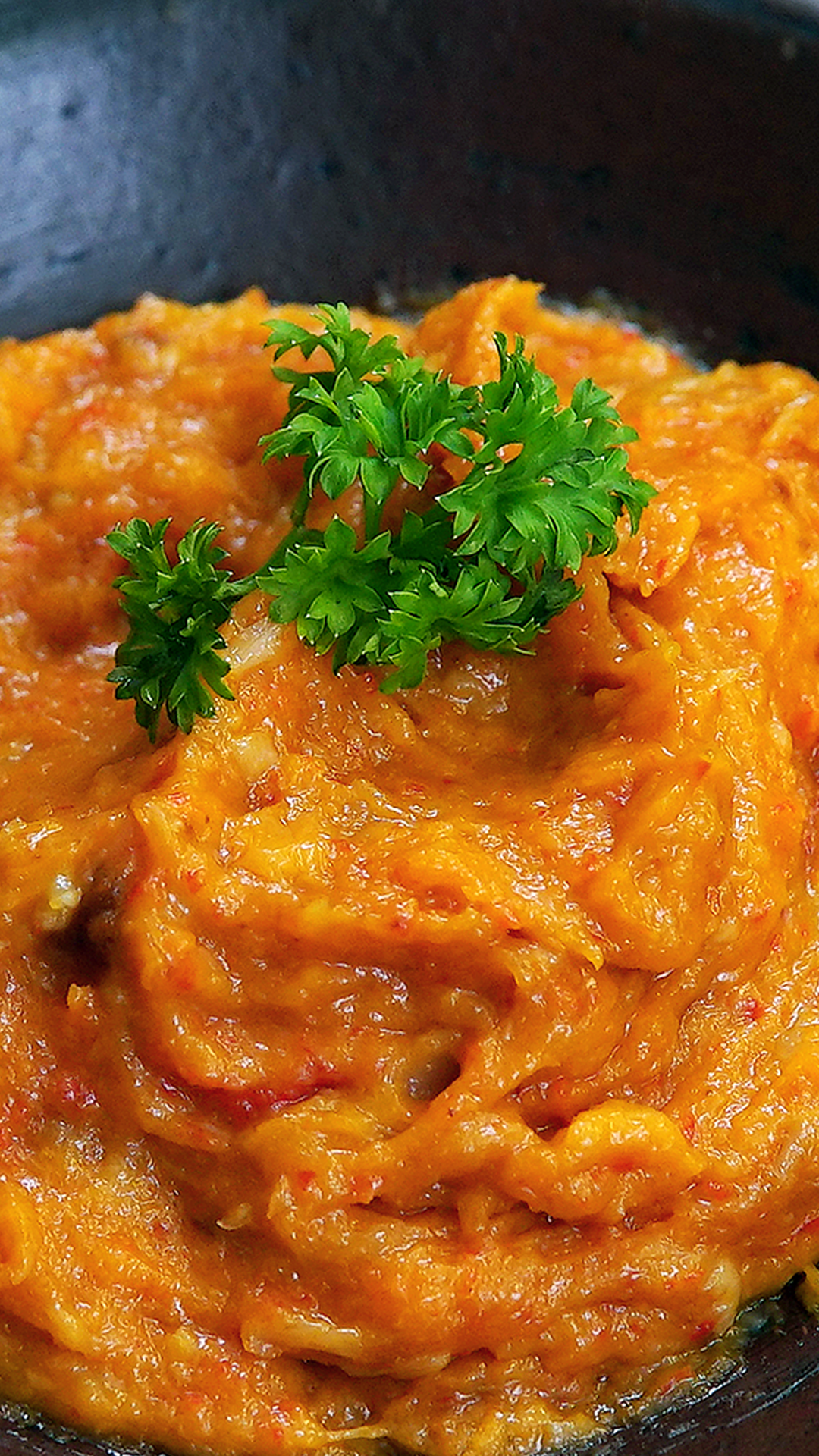
Tempoyak is made from fermented durian. Many People from Village in Palembang called Semendo and also kisam eat this kind of food. Tempoyak is made by taking the flesh of durian and mixing it with some salt and kept in room temperature for three or five days for fermentation. Tempoyaks are usually made during the durian season, when the abundance of durian and excess production are made into fermented tempoyak.
Tempoyak is not normally consumed solely, it is usually eaten as condiment or as an ingredient for cooking; such as cooked with coconut milk curry as gulai tempoyak ikan patin (pangasius fish tempoyak curry), or mixed with spicy chili pepper as sambal tempoyak.
The recipe For Tempoyak
Material
- 3pcs of Durian
- 1sdt Salt
- 4pcs of Red Onion
- 2 clove of white onion
- 3 sdm Tempoyak durian
- 3 pcs red big chili
- 2 buah Cayenne Chili
- 1 sdt Sugar
- 2 sdm Cooking Oil
Instruction
Take durian or durian flesh, put it in a jar or jar while sprinkling with salt to taste, then tightly closed.
After about one week, open and stir evenly, tempoyak is ready for use.
Processing tempoyak:
Stir-fry the spices until fragrant
Add tempoyak (as needed) add a little sugar as a substitute for flavoring
Saute briefly (about 2-3 minutes). lift, serve warm or hot.
- Take durian or durian flesh, put it in a jar or jar while sprinkling with salt to taste, then tightly closed.
- After about one week, open and stir evenly, tempoyak is ready for use.
Processing tempoyak: - Stir-fry the spices until it has a nice scent.
- Add tempoyak (as needed) add a little sugar as a substitute for flavoring
- Saute briefly (about 2-3 minutes). lift, serve warm or hot. and thats how you made Tempoyak.
And the Second is called Bekasam
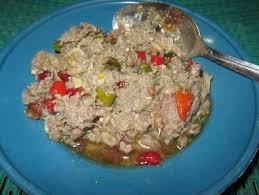
Bekasam is a fermentation of freshwater small fish including shrimp. Large fish can also be made fermented by first cutting into pieces. These types of culinary are usually used as side dishes or cooking spices that can be stored for a long time.
Fermented fish are made easily with the main ingredients of freshwater fish. Then add the salt seasoning and a little rice. This fermentation process comes from rice which produces lactic acid. This material then stored in a closed container for up to a week.
This culinary is one form of long term food of the people of South Sumatra. In the beginning, Bekasam was used as the creativity of riverine communities in South Sumatra. During the fish season, fish catches are abundant so that they are not completely consumed.
Fish sales are also not very good because everyone has fish in the harvest season. While preserving by making salted fish is very costly or long hot weather. So, the traces become one of the clever ways of the predecessors to store food to last longer.
Bekasam is also commonly eaten directly besides reprocessed by frying or stir-frying. The mixture can be with fish, vegetables, or only white rice. This Long lasting food can be served at any time and are always available in the kitchen, also commonly used as souvenirs for visiting relatives. Bekasam is known to have many health benefits. The resulting lactic acid effectively reduces the number of pathogenic bacteria in the bad bacteria Ecolli and Salmonella. If you travel to South Sumatra, try fermented fish not to be missed.
Ingredients and how to made Bekasam
TOOL:
1. Buckert
2. Jar with a tight lid
INGREDIENTS :
1. 1/2 kg of freshwater fish (can be goldfish, sepat fish)
2. 2 tablespoons salt
3. 1 tablespoon rice
How to make:
1. Clean the belly and head of the fish until it is clean
2. Drain the water and pour into the basin
3. Add salt and rice
4. Stir until evenly distributed all ingredients
5. Put it in the jar and cover tightly
6. 3 days once stir. (Remember to stir with a clean stirring spoon)
7. 10 days later, Bekasam is ready to be cooked.
How to cook Fried Vegetables:
1. Sauté the sliced onion and chilli (the amount according to taste) with cooking oil, the more onion and chilli, the better it tastes.
2. Pour the jar from the jar as needed
3. Stir until evenly distributed, and look dry as a sign that the container is ready to be served.
4. Acid is better to eat if it’s still warm.
Note:
1. The formula makes a mark, not too much salt because it will cause a bitter taste that is too salty.
2. Rice is not too much, because it will cause high sour taste
3. Use rice that has cooled, because using hot rice will cause rotten acid.
4. Acidified, not foul odor.
There’s so many i want to tell you but this will be the last food i tell you.
The last food is Called Fishcake
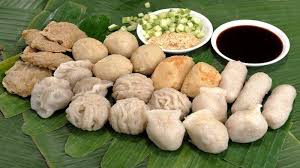
indonesia delicacy, made of fish and tapioca, from Palembang, South Sumatera, Indonesia. Pempek is served with rich sweet and sour sauce called kuah cuka or kuah cuko (lit. vinegar sauce), or just “cuko”. Sometimes local people also eat the dish with yellow noodle and diced up cucumber to balance out the vinegar’s sourness
Ingredients and how to make Fishcake
Material:
400 gr mackerel fish meat
200 ml of ice water
300 gr of sago flour
1/2 tablespoon salt
3 cloves of garlic
Pepper to taste
Stuffing:
Whole egg (for submarine pempek stuffing)
Tip: For softer pempek, you can add one beaten egg.
Complement:
Right amount of oil
Water to boil pempek
How to make:
1. Prepare mackerel fish at room temperature. Blend little by little but make sure all the thorns are gone.
2. After smooth add sago flour to it. Knead until smooth and chewy.
3. Add salt, sugar and mashed garlic. Knead back until the seasoning is evenly distributed.
4. After the dough is smooth, the dough is ready to be formed into pempek with various shapes, such as lunge, curly, fad, and submarine.
5. If you are going to make a pempek submarine, add raw whole egg stuffing to it. Take a little pempek dough then shape it like a ship to hold the egg filling in it then close the batter again so that the egg does not flow out.
6. After all the dough is formed, boil the water in a saucepan to boil the pempek.
7. Once cooked, pempek dough can be fried when it will be eaten.
Cuko sauce
Material:
1 kg palm sugar 2 liters water 10 cloves garlic 250 gr cayenne pepper or curly red chillies, puree 5 tablespoons vinegar
Salt to taste
How to make:
1. Cook all ingredients into one. Bring to a boil.
2. After boiling, strain the broth and store it in a container.
3. Serve with fried pempek.
As a complement to this Palembang pempek recipe, you can add slices of cucumber and chili sauce.
Admin Introduction
Hello everyone, My name is Andika Adfiyan Elhaz, i was born in Muara Enim, July 9 1999. This is my first blog that i made so i’m sorry if there’s something weird in it. my favorite food of course Tempoyak as i explain in my feed. I love playing Basketball and also i love playing instrument music. Thank you very much for Reading This 🙂
 Village Food in Palembang